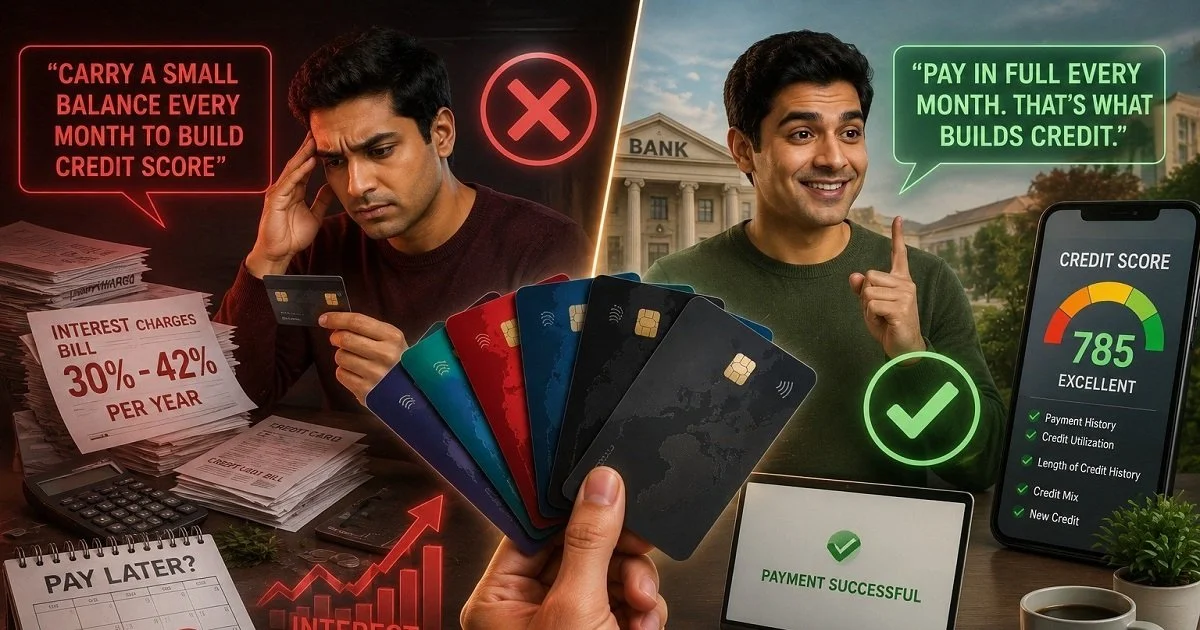




Credit cards come with several disadvantages, including overspending, rewards traps, debt cycles, hidden fees, high interest charges, fraud, and complicated terms. Common issues associated with credit cards include overspending, traps related to rewards and minimum amounts due, debt cycles, hidden fees, and fraud.
Knowing Credit Card Disadvantages is Essential for Safe Usage
Credit cards have both beneficial and negative aspects, and it’s vital to be aware of both. Without knowing the risks, using your card securely may be difficult. Credit cards provide many advantages, such as ease, cash back, and reward points, but they also pose a risk of financial problems if used carelessly.
Before you use the card wisely, make sure you know how to safeguard your funds. Gathered all your gear? So you can reap the benefits with little trouble, let’s find out what the hazards are.
What Are the Disadvantages of a Credit Card?
1. Overspending
One of the biggest drawbacks of using credit cards is the risk of overspending. With a high credit limit at your fingertips, it’s easy to fall into a debt trap by making careless purchases.
Having so much available credit could make you feel safe spending more money than you have coming in. Expenses quickly pile up beyond your means, trapping you in a cycle of high-interest debt from which there’s no easy way out.
Solution: Reducing non-essential spending and being deliberate with each purchase may help you maintain financial management. You can avoid credit card disadvantages by being careful with your spending.
2. Credit Card Rewards Trap
The allure of credit card reward programs could lead you to make purchases only for the purpose of earning points, cashback, or miles. If these benefits entice you to spend more than necessary, you may end up with a larger bill than anticipated. The interest and costs associated with such transactions may swiftly nullify any benefits gained.
Solution: Be careful with your awards. Never spend more than you can afford, regardless of rewards. Keep in mind that incentives shouldn’t control your purchasing habits but rather work with them. By remembering this, you may steer clear of the disadvantages associated with credit cards that provide reward chasing.
3. Minimum Amount Due Trap
One significant disadvantage of credit cards is the ability to set a minimum amount due, which can be abused. Unfortunately, many cardholders mistakenly believe that by paying the minimum, their debt will remain unpaid. Actually, the minimum payment only represents a small portion of your total debt, and failure to pay it in full will result in additional interest.
You may spend more than you intended because of the false impression that your bill is lower. As time goes on, your debt will grow and become more difficult to handle due to the accumulation of interest on the outstanding sum.
Solution: To avoid this debt trap, familiarize yourself with the phrases in your credit card account. Look at your entire balance, not just the minimum amount due; do not skimp. Skipping payments or paying just enough can cause problems down the road.
To avoid falling into a debt trap, keep yourself informed and pay off your balance in full whenever possible. Being aware of the disadvantages of credit cards is the first step in properly using them and protecting your financial future.
4. Debt Cycle
Falling into a debt cycle is one of credit cards’ most dangerous disadvantages. Carrying a balance from month to month might make paying off the debt more difficult due to high interest rates. This can lock you into a cycle of making minimal payments, and your balances will continue to climb. This can cause financial difficulties in the long run.
Solution: Make it a habit to pay off your amount in full each month. In case that’s not possible, pay more than the minimum each month to pay off debt faster. With diligent budgeting and the use of credit cards for only essential expenses, staying out of debt is possible.
5. Hidden Fees and Charges
Annual fees, late payment fees, and international transaction fees are just a few of the hidden costs that many credit card users fail to notice. These charges slowly drain your budget and make card maintenance more expensive than expected, but you didn’t notice.
Solution: Keep an eye on your credit card’s fine print to prevent any unpleasant surprises. Make sure your expenditure aligns with the potential application of fees. Long-term, you may save money by choosing a credit card with minimal or no charges at all.
6. High Interest Charges
Interest charges may add up rapidly if you are late with a payment or don’t pay the whole amount. A little unpaid balance on a credit card may quickly balloon into a significant amount due to the high interest rates associated with these cards.
This condition is due to the potentially catastrophic effects of falling behind on payments; this is a real concern for many cardholders.
Solution: A simple but essential answer is to pay all credit card bills in a timely manner. This can help you save a lot of money on interest costs. To avoid missing a payment, set up automated payments or reminders.
By being punctual with your payments, you can avoid paying exorbitant interest rates and keep your credit score in good standing. Although there are significant disadvantages to using credit cards, the key to avoiding debt traps is to be diligent with your payments.
7. Credit Card Fraud
One of the most secure methods of payment, credit cards are unfortunately not immune to fraud. If you shop online, you run the risk of having your credit card details stolen and used fraudulently. Even worse, you, the cardholder, are personally liable for notifying the bank of any fraudulent transactions that may have occurred within three days.
If you don’t, you can end up paying for those false charges. For everyone who uses a credit card, this may be a huge headache and potential danger to their finances.
Solution: Get ahead of potential fraudsters by taking preventative actions. A beneficial strategy is to deactivate the international transaction feature on your card if you seldom use it. Doing just one little thing further strengthens the safety net.
Furthermore, be on the lookout for any unusual emails or communications that may contain phishing schemes. Do not open them. Keep your credit card information secure, and never give out your PIN or card data to anybody. By being careful, you can protect your cash and avoid the problems associated with credit card theft.
8. Complicated Terms and Conditions
Credit cards come with numerous confusing terms and conditions. Paying more than you intended could happen if you are unaware of specifics, such as interest rate calculation or fee application. Hidden provisions may result in unexpected fees or penalties for errors you were unaware of.
Solution: Never ignore the little print. Before applying for a card, ensure you understand everything by asking questions or reading up on the subject. To avoid the hidden fees and penalties that are a drawback of credit cards, read the fine print before you use them.
Final Thoughts
After reading this, you should realize that the disadvantages of credit cards are not as detrimental as they look. By being aware of these dangers, one can avoid high interest rates, overspending, and fraud. Credit cards may transform from a financial liability into an asset when you arm yourself with the correct information and practice self-control.
A credit card isn’t a curse when used wisely; it’s a tool for better financial management, credit building, and reward earning. Get a handle on things, keep yourself educated, and use your credit card wisely.
FAQ
Is it worth owning a credit card?
Yes, it is worth it to have a credit card as long as you spend wisely and pay off your balances early. It helps you build credit, earn cash back or reward points, and manage emergencies. But the high interest rates and late fees can add up if you don't pay on time or use it to buy things you don't need.
Is it better to have credit or no credit?
Most of the time, having credit is better than not having any credit at all. When you need to borrow money or rent a house in the future, it's easier to do if you have good credit. If you don't take out any credit, it might be hard to show that you can be trusted with money. But it's important to build credit in a smart way so you don't get stuck in debt traps.